Music Notation: A Melodic Embroidery Design
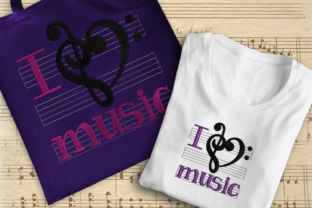
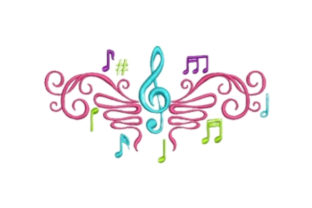
Upon first glance, the Music Notation embroidery design exudes a sense of elegance and passion. The intricate yet clean lines of the musical notes and symbols create a harmonious and visually appealing pattern. This design is perfect for anyone looking to infuse their projects with a touch of musical charm.
Captivating First Impressions
The Music Notation design immediately sets a sophisticated and artistic tone. The layout is well-balanced, with a clear focus on the central theme of music. The level of detail in the notes and staff lines adds a professional and polished look, making it suitable for both personal and commercial projects. The design's visual personality is one of refined creativity, ideal for those who appreciate the finer aspects of embroidery.
Ideal for Diverse Projects
One of the strengths of Music Notation is its versatility. Imagine stitching this design onto a custom tote bag or a sweatshirt. The design would stand out beautifully, adding a unique and personal touch. For baby items, such as onesies or blankets, the Music Notation can be a charming and thoughtful addition, perfect for little ones growing up in a musically inclined household.
- Tote Bag Design: Use it to create a stylish and functional bag that music lovers will adore.
- Sweatshirt Embroidery: Add a touch of class to casual wear, making it a standout piece in any wardrobe.
- Baby Embroidery: Embellish baby clothes and nursery decor with this delicate and meaningful design.
Practical Considerations for Real-Life Embroidery
When using Music Notation in real-life embroidery situations, there are a few practical considerations to keep in mind. The design's detailed elements, such as the small notes and staff lines, may require careful attention, especially when working with smaller hoop sizes or textured fabrics. Here are some tips to ensure the best results:
- Test on Scrap Fabric: Always test the design on a scrap piece of fabric before starting your main project. This helps you understand how the design will behave on different materials.
- Check Thread Color Contrast: Ensure that the thread colors you choose provide enough contrast against the fabric. This is particularly important if you're using dark or textured fabrics.
- Review Stitch Density: Pay attention to the stitch density, especially in areas with dense fill stitches. Adjust the density if necessary to avoid puckering or distortion.
- Confirm Hoop Size: Make sure the design fits within your hoop size. If it's too large, consider scaling it down or breaking it into smaller sections.
- Inspect Small Details: Carefully inspect the small details, such as the tiny notes and staff lines, to ensure they are clear and well-defined.
Enhancing Visual Appeal and Product Value
The Music Notation design has the potential to significantly enhance the visual appeal and value of your embroidered products. Whether you're creating a personalized gift, a custom apparel item, or a boutique product, this design adds a layer of sophistication and thoughtfulness. Customers and recipients will appreciate the attention to detail and the meaningful connection to music.
For Etsy sellers and small shop owners, incorporating Music Notation into your product line can help build brand consistency and recognition. The design's professional and polished look can elevate your offerings, making them more attractive to buyers and enhancing the overall presentation of your handmade products.
Where to Use Music Notation Carefully
While Music Notation is versatile, there are certain scenarios where it should be used with caution. For example, when embroidering on thin or stretchy fabrics, the design's dense areas may cause issues like puckering or distortion. Similarly, when working with curved surfaces like caps, the design's straight lines and detailed corners may not translate well. Here are some areas to use Music Notation carefully:
- Thin and Stretchy Fabrics: These materials may not hold the design well, leading to distortion or uneven stitching.
- Curved Surfaces: Caps and other curved items may not accommodate the design's straight lines and detailed corners effectively.
- Dense Stitch Areas: Be mindful of the stitch density, especially in areas with fill stitches, to prevent puckering and ensure a smooth finish.
Final Thoughts and Practical Tips
In conclusion, the Music Notation embroidery design is a high-quality and versatile choice for a wide range of embroidery projects. Its elegant and detailed design makes it a perfect fit for custom apparel, baby items, and boutique products. To ensure the best results, always test the design on scrap fabric, check thread color contrast, and review stitch density. With proper care and attention, Music Notation can add a touch of musical elegance to your embroidery projects, delighting both you and your customers.
Before using Music Notation in commercial projects, make sure to check the licensing terms to ensure you have the right to sell finished items or digital embroidery files. Happy stitching!