Harvester: A Charming Addition to Your Embroidery Collection
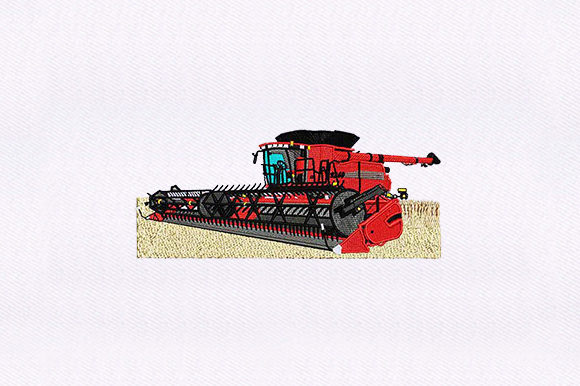
When I first laid eyes on the Harvester design, it immediately brought a sense of rustic charm and nostalgia. The intricate details and well-thought-out layout make it a standout choice for a variety of embroidery projects. As an experienced designer, I was eager to see how this design would perform in real-life scenarios.
First Impressions and Visual Appeal
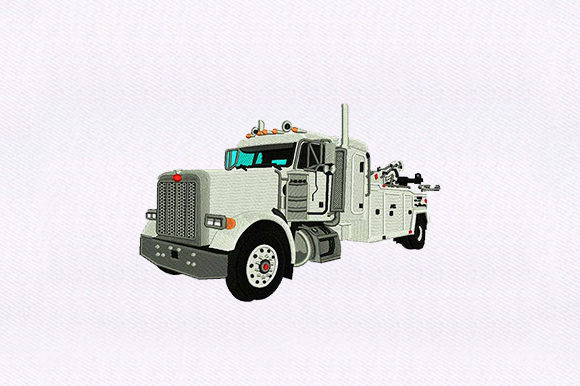
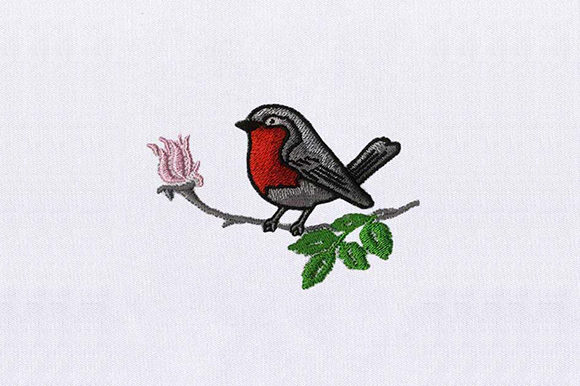
The Harvester design exudes a warm, welcoming vibe, perfect for creating a cozy, farm-themed aesthetic. The combination of bold outlines and delicate fill stitches gives it a balanced, visually appealing look. This design is not just a pretty picture; it has a strong visual personality that can elevate any fabric or clothing item.
Ideal Projects for Harvester
- Tote Bags: The Harvester design would be a fantastic addition to a custom embroidered tote bag. Its size and detail level make it a focal point, adding both functionality and style.
- Sweatshirts and T-Shirts: For custom apparel, this design can transform a simple sweatshirt or t-shirt into a unique, personalized piece. It's perfect for those who love a touch of rustic charm in their wardrobe.
- Baby Clothes and Nursery Decor: The gentle, whimsical nature of the Harvester design makes it ideal for baby clothes and nursery decor. It adds a sweet, homely feel to any baby item.
- Holiday Gifts: During the holiday season, a Harvester-embellished tea towel or pillow cover can make a thoughtful, handmade gift that your friends and family will adore.
Real-Life Embroidery Performance
When it comes to real-life embroidery, the Harvester design holds up exceptionally well. The stitch density is well-balanced, ensuring that the design maintains its clarity and detail even after multiple washes. This is crucial for items like tote bags and baby clothes, which need to be durable and long-lasting.
Where to Use Caution
- Small Hoop Sizes: While the Harvester design is versatile, it may not be suitable for very small hoop sizes. The intricate details could get lost, so it's best to use a larger hoop for optimal results.
- Textured and Thin Fabrics: Be cautious when using this design on highly textured or thin fabrics. The details might not show up as clearly, and the fabric could pucker or distort. Always test on a scrap piece first.
- Stretchy Fabrics: Stretchy materials can be tricky. The design may stretch out of shape, so it's advisable to use a stabilizer specifically designed for stretchy fabrics.
- Dark Fabrics: On dark fabrics, ensure you have a good contrast with the thread colors. The design might not stand out as much, so consider using lighter or more vibrant threads.
Enhancing Product Value and Customer Trust
Incorporating the Harvester design into your embroidery projects can significantly enhance the visual appeal and value of your handmade products. Whether you're an Etsy seller, a small shop owner, or a craft business, this design can help build customer trust and recognition. The high-quality, detailed embroidery speaks to the care and craftsmanship that goes into each finished product.
Practical Designer Notes
- Test on Scrap Fabric: Always start by testing the Harvester design on a scrap piece of fabric. This helps you understand how the design will look and behave on the final material.
- Check Thread Color Contrast: Ensure that the thread colors provide enough contrast against the fabric. This is especially important for dark or patterned fabrics.
- Review Stitch Density: Check the stitch density to ensure the design is neither too dense nor too sparse. This affects the overall appearance and durability of the embroidery.
- Confirm Hoop Size: Make sure the design fits well within your hoop size. Adjustments may be necessary to avoid distortion or loss of detail.
- Inspect Small Details: Pay close attention to the small details in the design. These can sometimes be challenging to embroider, so a thorough inspection is essential.
- Test in Black and White Mockups: Before stitching, test the design in black and white mockups. This helps you visualize the design's balance and clarity.
- Compare Light and Dark Fabric Backgrounds: See how the design looks on both light and dark backgrounds. This can give you a better idea of its versatility.
- Use Proper Stabilizer: Choose the right stabilizer for your fabric type. This ensures the design stays in place and maintains its quality over time.
- Check Licensing: If you plan to sell finished items or digital embroidery files, always check the licensing terms to ensure you are compliant.
Overall, the Harvester design is a versatile and charming addition to any embroidery project. With its intricate details and balanced layout, it can add a touch of rustic elegance to a wide range of handmade and commercial products. By following these practical tips, you can ensure that your Harvester embroidery projects are both beautiful and functional, delighting your customers and enhancing your brand's reputation.